Filing and service are different acts with different deadlines, and a document can be on time for one and late for the other. Electronic systems stamp a submission at the moment it is accepted rather than the moment it is sent, mailbox rules treat dispatch as filing in some forums and not in others, and a filing rejected for a formal defect was never made. This subject covers where a document has to go and what makes it count as arrived.
Most electronic filing regimes provide for extensions or alternative routes where the system is unavailable. Obtaining that relief requires contemporaneous evidence: timestamps of attempts, error messages, screenshots and any official outage notice. It also requires distinguishing a system failure, which usually attracts relief, from a problem at the filer's own end, which usually does not.
Many filings require a fee, and where payment is a condition of acceptance a failed transaction prevents the filing entirely. Fee waivers and deferrals exist, take time to obtain, and have their own evidential requirements. The practical protection is arranging payment before the deadline evening and applying for any waiver far enough ahead that its processing time is not the problem.
Amendments fall into categories: clerical corrections, amendments permitted without leave within a window, and amendments requiring permission. The crucial question is whether the amended document is treated as filed on the original date or on the date of amendment, because where a period has expired in the meantime the answer decides whether the new material survives.
Withdrawing a filed document or a whole claim is available in most systems, sometimes as of right early on and otherwise with permission or consent. The consequences are what matter: protection conferred by the original filing usually ends, limitation continues from where it always was, costs frequently follow, and restrictions on repeat filings can make the decision effectively final.
Filing places a document on the record of a matter; service delivers it to the other parties. The two have different deadlines, different permitted methods, different proof requirements and different consequences for failure. Confusing them produces documents lodged correctly and delivered late, and periods calculated from the wrong event entirely.
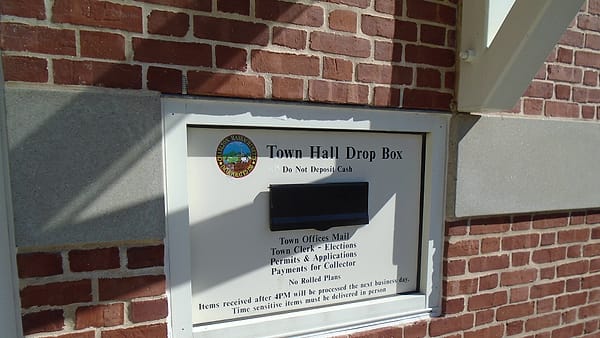
Alternative filing routes remain available in many systems: after-hours drop boxes, courier delivery, counter filing and occasionally fax. Each carries conditions about timing, proof and follow-up, and each is most likely to be needed on an evening when there is no time to research it. Establishing what is permitted in advance is the practical value of knowing about them at all.
Electronic filing systems record a moment, and which moment varies: the start of an upload, its completion, acceptance by the system, or clerical review. Each can differ by minutes or by a day, and the recorded time zone is a separate question again. Understanding what the system stamps is what makes a last-day filing safe rather than approximate.
Mailbox provisions treat a document as filed on the date of dispatch rather than the date of receipt. They exist in defined contexts, most familiarly for parties in custody and for certain categories of submission, and they are the exception rather than the general position. Everywhere else, posting a document on the deadline means filing it late.
Fee waiver applications are decided separately and take weeks or months, during which the substantive matter is frequently not treated as filed at all. A refusal leaves a short period to pay, an incomplete application is returned and restarts the process, and any deadline attaching to the underlying matter continues running throughout.
Filings go astray in several ways: the wrong forum entirely, the wrong division of the right forum, the wrong case number, or the wrong document category within an electronic system. Some of those are corrected administratively with the original date intact, and others require a fresh filing that carries a new date. Establishing which situation applies is the first task.
Filings disappear through rejections nobody noticed, misclassification, docketing errors and system faults. Proving that one was made depends on records captured at the time: the submission confirmation, the recorded timestamp, the payment record, the docket entry and any error messages. Checking the record shortly after filing is what turns this from an evidential problem into an administrative one.
Formal defects cause filings to be rejected: wrong format, missing signature, incorrect case reference, absent certificate, unpaid fee. The rejection usually means nothing was filed, and the deadline continues to run while the defect is corrected. Some systems preserve the original submission date on prompt resubmission, and establishing whether a particular system does is worth doing before it matters.