Most notice disputes are not about whether something was sent but about whether it arrived, and the rules answer that question with presumptions rather than evidence. A properly addressed letter is treated as received; an address on file is treated as current; a refused delivery is treated as delivered. This subject covers the receiving end: keeping an address current, what deemed receipt means, and what to do about a notice nobody ever saw.
A recipient who declines to take a document is generally treated as having been served, provided the server identified them and brought the document to them. Refusal also produces a contemporaneous record describing exactly what happened, which is unhelpful later, and it removes any argument that the recipient did not know a matter existed.
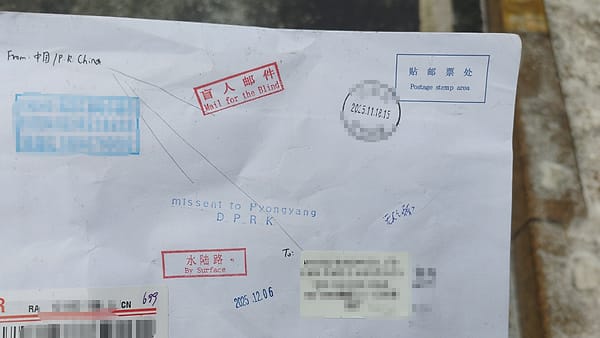
Returned mail proves that delivery did not occur and indicates why, and the reason is the useful part. Unknown at the address, refused, unclaimed, vacant and insufficient address each point at different conclusions about whether the record is stale, whether the recipient is avoiding contact, and what the sender should do next.
Where a representative is on record, service on them is generally service on the party, and the party is bound by it. That arrangement works well until it breaks: a withdrawal never filed, a handover between advisers, a firm that closed, or a representative who never passed the document on. The record is what governs, and keeping it accurate is the whole of the protection.
Service on a person other than the named recipient can be effective where that person is of suitable age and discretion at the address, or is authorized to accept documents. It is ineffective where they have neither status. The practical risk sits between those categories, in the receptionists, relatives and neighbors who take documents helpfully and forward them slowly or not at all.
A forwarding arrangement redirects ordinary mail for a defined period, and it neither covers every category of item nor lasts indefinitely. Delay in redirection can consume a substantial part of a short response window, expiry produces no warning, and electronic notification is untouched by it. It is a useful supplement to notifying record holders directly and a poor replacement.
Where a document was properly dispatched, most systems presume receipt on a defined day, and displacing that presumption requires more than a denial. What works is evidence about the recipient's systems, contemporaneous records showing the document was never logged, an account of what was received instead, and prompt action once the matter came to light.
Portal-based delivery makes the document available in an account and treats that availability as the operative event in many systems. The notification email is usually a convenience rather than the service itself, which means a filtered or undelivered alert changes nothing about the running of time. The obligation to monitor the account sits squarely with the account holder.
Where a party genuinely never received notice and a decision followed, most systems provide a route to have it reopened or set aside. Success depends on establishing non-receipt with evidence rather than assertion, on moving immediately once the matter is discovered, and on showing that the outcome would plausibly have been different had the party participated.
Notice regimes deliver documents to whatever address is on the record, so keeping that record current is the recipient's obligation rather than anybody else's courtesy. The difficulty is that a single move creates separate duties toward every forum, agency and counterparty holding an address, and completing one of them does nothing for the rest.
Where electronic service is permitted, a message routed to a spam or quarantine folder has generally been delivered, because the classification was made by the recipient's own system after the message arrived. That places the risk with the recipient, makes whitelisting and quarantine review worth doing, and means the technical evidence has to be preserved quickly if the point is ever taken.
Deemed receipt is a rule fixing the day on which a document is treated as having reached its recipient, whatever happened in reality. It exists to make timetables calculable, it varies by method and by system, and it can usually be displaced only by evidence meeting a defined standard. Knowing the applicable provision converts a dispatch date into a diary entry.
Where a document is referred to but was never received, copies can usually be obtained from the sender, from the file, from a portal or through a formal request. The important point is that the period has probably been running since the original was dispatched, so the request should be made the same day and should not be treated as suspending anything.