Notices That Arrive Only in a Portal
Portals moved delivery from the doormat to an account nobody has a reason to open. The document is available the moment it is posted, the period starts then, and the email that was supposed to mention it may never arrive.

The rule in short
Portal-based delivery makes the document available in an account and treats that availability as the operative event in many systems. The notification email is usually a convenience rather than the service itself, which means a filtered or undelivered alert changes nothing about the running of time. The obligation to monitor the account sits squarely with the account holder.
A portal is efficient for the sender and invisible to a recipient who is not looking. The rules generally follow the sender's efficiency rather than the recipient's habits.
How portal delivery works
The document is placed in an account. It becomes visible to anybody with credentials, usually with a timestamp recording when it was made available.
Availability is frequently the operative event. Many systems treat the document as served when it can be accessed rather than when anybody accesses it, which is the whole of the difficulty.
A notification may be sent. Usually by email, usually described in the terms of use as a convenience, and usually not a condition of service having occurred.
The timestamp is recorded. Portals generate their own audit trail, which is stronger evidence than most postal records and is available to both sides.
Access is tied to credentials. Which means the practical ability to receive documents depends on somebody maintaining a working login.
Documents remain available. Unlike post, the item does not disappear, so a missed notification can be recovered as soon as anybody looks.
Use may be compulsory. Where a system mandates portal filing and service, opting out is not available and paper is not an alternative.
Terms of use matter. The account agreement frequently states what counts as delivery, and it is worth reading once rather than never.
Why notices get missed
The alert is filtered. Automated messages from institutional senders are routinely classified as bulk or spam, per email filters and a missed notice.
The alert address is stale. An email address registered years ago and no longer monitored produces silence that looks exactly like inactivity.
Nobody is assigned to look. Where an account belongs to an organization rather than a person, responsibility for checking it frequently belongs to nobody in particular.
Credentials expire. Password resets, expired accounts and multi-factor changes all interrupt access at moments nobody chose.
The account holder changes role. Staff turnover breaks the connection between the account and the person who needs the documents.
Alerts look routine. Portals generate frequent low-value notifications, which trains recipients to ignore the category entirely.
Two systems are in use. Where an agency and a forum each operate a portal, one of them tends to be checked and the other does not.
Nothing prompts a check. Post arrives physically and demands attention; a document in an account demands nothing at all.
| Event | Usually operative | Note |
|---|---|---|
| Document available in account | Yes | Time starts |
| Notification email sent | No | Courtesy in most systems |
| Notification filtered | No effect | Recipient's risk |
| Document opened | No | Irrelevant to timing |
| Portal outage | Possibly | Relief usually available |
Where the risk sits
Generally the account holder. The obligation to monitor a nominated channel sits with whoever nominated it, and that is the premise the system operates on.
Filtering is the recipient's problem. A message delivered to a spam folder has usually been delivered, and the classification is the recipient's system's decision.
Access failures rarely help. A forgotten password is not usually treated as a reason for a period not to have run.
Outages may be different. Where the portal itself was unavailable, most systems provide relief, per system outages on the last day.
Notification failures usually do not help. If the alert is a courtesy, its non-arrival does not affect the service that occurred when the document became available.
Unless the rule says otherwise. Some systems make notification a condition, and where they do the position reverses entirely, which is why the provision has to be read.
Delegated access does not transfer risk. Giving a representative access does not relieve the holder of responsibility for what arrives.
Evidence favors the sender. Portal audit trails record availability precisely, and there is rarely any factual dispute about what was posted or when.
In most portal systems the document is served when it becomes available, and the alert is a convenience the terms of use describe as exactly that. Waiting to be told is waiting for something that carries no legal weight.
Making it work
Assign a named person. Somebody specific is responsible for opening the account on a defined schedule, and somebody else covers their absence.
Check on a schedule. Weekly at minimum, daily where a matter is active, because the interval between checks is the maximum delay in noticing anything.
Keep the alert address current. And use an address that a person actually reads rather than a shared mailbox nobody owns.
Whitelist the sender. Adding the notification address to a safe list prevents the most common failure at almost no cost.
Maintain credentials. Renewals, resets and second-factor devices need managing before they fail rather than during an emergency.
Record what was found. A short log of checks and documents retrieved answers questions later and demonstrates diligence.
Download everything. Keeping a local copy protects against access loss and against documents being archived out of view.
Set a second reminder. Where a period is running, a reminder to check the portal specifically is worth having, per tracking a matter while it waits.
When something was missed
Retrieve it immediately. The document is still there, which is one genuine advantage of portal delivery over post.
Establish the availability date. The portal records it, and every deadline is calculated from that rather than from when it was opened.
Calculate what remains. Frequently something does, and acting within the remaining period avoids any need for relief at all.
Act on the same day. Where the period has expired, promptness after discovery is the strongest factor available, per how fast to move once it is noticed.
Gather the evidence about why. Filter rules, access logs and alert delivery records, preserved before they are overwritten.
Do not blame the portal casually. Audit trails are detailed, and an assertion the records contradict is worse than no assertion at all.
Fix the process first. An application explaining what has changed is considerably stronger than one describing what went wrong.
Check for other missed items. One unnoticed document usually means the account has not been opened for a while, and there may be more.
Portal delivery makes a document available in an account, and in many systems that availability is the operative event from which every period runs.
The notification email is usually a courtesy rather than the service itself, which means a filtered, misdirected or undelivered alert changes nothing about the timetable.
Risk sits with the account holder: filtering, forgotten credentials and staff turnover are all recipient-side failures, while portal outages are among the few situations attracting relief.
Making it work requires a named person, a defined checking schedule, a monitored alert address, whitelisting, maintained credentials and local copies of everything retrieved.
Citizenship and naturalization filings run almost entirely through account-based notification now, and a single unread message can cost an interview date. attorneys who prepare naturalization applications works with {{ANCHOR}} and monitors those accounts as part of the file.
Where something was missed, the document is still there, the availability date is recorded precisely, and acting the same day is the strongest response available.
Points to carry away
- Availability in the account is often the operative event.
- The notification email is usually a courtesy.
- Monitoring the account is the holder's obligation.
- Access problems rarely stop time running.
- Delegated access needs managing deliberately.
Questions readers ask
Is a document served when it appears in the portal or when the email alert arrives?
In most systems, when it becomes available in the account. The alert is generally described in the terms of use as a convenience rather than as the service itself, which means its non-arrival does not delay anything. Because the position is not universal, the applicable rule needs reading rather than assuming, but the safe working assumption is that time runs from availability and that waiting to be told is waiting for something with no legal weight.
Does a spam filter catching the notification provide an excuse?
Rarely. A message delivered to a spam folder has usually been delivered, and the classification was made by the recipient's own system. Since the notification is generally not the operative event in any case, its fate makes little difference: the document was served when it became available. Whitelisting the sender's address and assigning somebody to check the account on a schedule are the two steps that actually prevent the problem.
What should be done on discovering an unread portal notice?
Retrieve it immediately and establish the recorded availability date, because that is what every deadline runs from. Frequently some of the period remains, and acting within it removes any need for an application. Where it has expired, moving the same day is the strongest factor available, and the supporting evidence about access logs and filter rules should be preserved at once. It is also worth checking whether other documents went unnoticed.
Sources
- Federal Rules of Civil Procedure — Rule 5(b)(2)(E), Service by Electronic Meanslaw.cornell.edu
- Federal Rules of Civil Procedure — Rule 5(d)(3), Electronic Filinglaw.cornell.edu
- United States Courts — Electronic Filing (CM/ECF)uscourts.gov
- Federal Rules of Civil Procedure — Rule 77(d), Notice of an Order or Judgmentlaw.cornell.edu
- Federal Rules of Appellate Procedure — Rule 25(c), Manner of Servicelaw.cornell.edu
- Legal Information Institute — Service of Processlaw.cornell.edu
Urban Justice Docket is a publication, not a law firm. This article states general rules and cites its sources; it is not advice about any particular case, and the law differs by state and changes over time.
More in Receiving Notice

Refusing to Accept a Document
A recipient who declines to take a document is generally treated as having been served, provided the server identified them and brought the document to them. Refusal also produces a contemporaneous record describing exactly what happened, which is unhelpful later, and it removes any argument that the recipient did not know a matter existed.
Returned Mail, and What It Proves
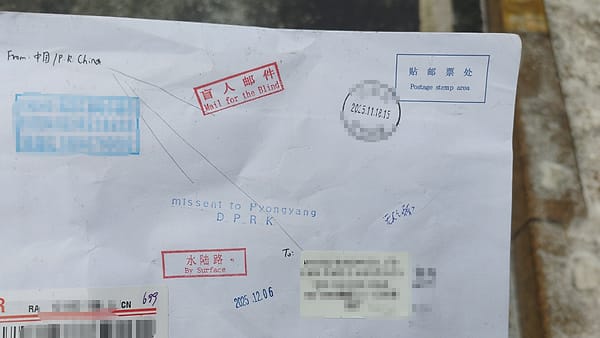
Returned mail proves that delivery did not occur and indicates why, and the reason is the useful part. Unknown at the address, refused, unclaimed, vacant and insufficient address each point at different conclusions about whether the record is stale, whether the recipient is avoiding contact, and what the sender should do next.
Notice to a Representative Rather Than a Party
Where a representative is on record, service on them is generally service on the party, and the party is bound by it. That arrangement works well until it breaks: a withdrawal never filed, a handover between advisers, a firm that closed, or a representative who never passed the document on. The record is what governs, and keeping it accurate is the whole of the protection.