Notice to a Representative Rather Than a Party
Appointing a representative moves the delivery address for everything that follows. It also moves the risk, because a document received by an adviser is received by the party, whether or not anybody told the party about it.
The rule in short
Where a representative is on record, service on them is generally service on the party, and the party is bound by it. That arrangement works well until it breaks: a withdrawal never filed, a handover between advisers, a firm that closed, or a representative who never passed the document on. The record is what governs, and keeping it accurate is the whole of the protection.
Representation changes where documents go, and systems follow the record rather than the reality. Everything that goes wrong here is a gap between the two.
How the arrangement works
Appointment is usually recorded. A notice of appearance, a form of authority or an equivalent filing puts the representative on the record for the matter.
Documents then go to them. Rules commonly require service on the representative rather than on the party once that record exists, and service on the party may be irregular.
The party is bound. Receipt by the representative counts as receipt by the party, and periods run accordingly whatever the party knew.
It applies to that matter only. Representation in one proceeding does not create an address for service in another, which is a frequent misunderstanding.
Scope can be limited. Some appointments are for a defined purpose, and documents outside that scope may still go to the party.
The representative owes duties. Passing documents on promptly and advising about deadlines are basic obligations of the role.
The party retains obligations too. Keeping their own address current and remaining reachable are not suspended by being represented.
Both may be served, sometimes. Certain categories of document are required to reach the party as well, and the rules generally identify which ones.
Ending it requires a step. Representation continues on the record until somebody files something to change it, regardless of what the client and the adviser have agreed between themselves.
Where the arrangement breaks
Withdrawal without filing. A representative who has stopped acting but remains on the record continues to receive documents nobody is dealing with.
Handover between advisers. The window between one adviser ceasing and another appearing is where documents most reliably fall, per when the adviser missed it.
A firm that closed. Documents delivered to premises nobody occupies are still delivered to the address on the record.
Staff turnover. The individual handling a matter leaves and the file passes to somebody with no memory of the timetable.
Unpaid fees. A representative who has stopped work over payment may not have formally withdrawn, leaving the record misleading.
The party assumes they will be told. And frequently they are, and occasionally they are not, and the period runs either way.
Limited-scope appointments. Where an adviser acted for one purpose, documents about another may go somewhere nobody expects.
Multiple representatives. Where several are on record, assumptions about who is dealing with what produce gaps nobody notices.
| Situation | Who is served | Risk |
|---|---|---|
| Representative on record | Representative | Party may not hear |
| Withdrawal not filed | Former representative | Nobody acts |
| Handover in progress | Unclear | Highest |
| Limited-scope appointment | Depends on document | Gaps |
| No representative | Party | Party's own record |
What the party should do
Confirm who is on record. For each matter, because the answer is frequently different from what the party assumes.
Ask to be copied. Requesting copies of everything received is straightforward and prevents most of the damage.
Keep an independent diary. Recording deadlines separately means a missed step is noticed by somebody, per tracking a matter while it waits.
Ensure withdrawals are filed. Where representation ends, checking that the record was updated is the party's protection rather than a courtesy.
Manage handovers deliberately. Overlap between advisers is safer than a gap, and somebody should be on record throughout.
Keep a personal address current. The party's own record still matters for documents that go to them directly, per keeping an address current.
Ask about anything unexplained. A reference in correspondence to a document never seen is worth chasing immediately.
Understand the scope. What the representative is acting on, and what remains the party's own responsibility.
What matters is not who is actually working on a matter but who appears on the record as acting. Documents follow the record, periods run from delivery to the record, and every failure here is a gap between the two.
What the representative should do
File appointments and withdrawals promptly. The record is what the system acts on, and an unfiled change has no effect on where documents go.
Pass documents on immediately. With the deadline identified, because the party frequently cannot extract that from the document itself.
Diarize on receipt, not on review. The gap between a document arriving and somebody reading it is where periods disappear.
Confirm receipt to the sender. A short acknowledgment reduces the likelihood of a dispute about service later.
Manage absence and turnover. Cover arrangements should include somebody responsible for incoming documents on every active matter.
Be explicit about scope. Both to the client and on the record, so that nobody is relying on an assumption.
Withdraw properly if instructions end. Ceasing work without filing leaves documents arriving at a place where nothing happens to them.
Keep the address current. A move by the representative creates exactly the same problems as a move by the party.
What the sender should do
Check the record before serving. Representation changes during a matter, and the correct recipient today may not be the correct recipient last month.
Serve the representative where required. Sending to the party where the rules require service on the representative can produce a defective service.
Serve both where the rules say so. Some documents must reach the party directly, and the rules identify which.
Watch for withdrawal notices. A filed withdrawal changes the address for everything afterwards, and missing it wastes an attempt.
Record who was served and in what capacity. Which is the detail a later challenge will test, per proving that notice was given.
Do not rely on an informal indication. A representative saying they act is not the same as a representative being on the record.
Reconsider after a firm closes. Continuing to serve premises known to be empty is difficult to defend afterwards.
Confirm receipt where it matters. For anything decisive, a short acknowledgment request is worth the effort.
Where a representative is on record, service on them is generally service on the party, and the party is bound by receipt whether or not anybody told them.
The arrangement fails at predictable points: withdrawals that were never filed, handovers between advisers, firms that closed, staff turnover, and appointments whose scope nobody defined.
Parties protect themselves by confirming who is on record, asking to be copied, keeping an independent diary and checking that withdrawals were actually filed.
Representatives protect everybody by filing appointments and withdrawals promptly, passing documents on with the deadline identified, and diarizing on receipt rather than on review.
Senders protect themselves by checking the record before each service, serving both party and representative where the rules require it, and recording who was served in what capacity.
Points to carry away
- Service on a representative on record binds the party.
- The record governs, not the actual arrangement.
- Withdrawals must be filed to take effect.
- Handovers are the most common failure point.
- Parties should confirm what their adviser received.
Questions readers ask
Is a party bound by a document their representative received but never passed on?
Generally yes. Service on a representative who is on record is treated as service on the party, and the period runs from that delivery whatever the internal arrangements were. The party's remedy, if any, lies against the representative rather than against the timetable, and applications to be excused are assessed on ordinary principles in which an adviser's failure is usually attributed to the client. That is why asking to be copied on incoming documents is worth doing.
What happens if a representative stops acting but never files a withdrawal?
Documents continue to be served on them, validly, and the party may hear nothing at all. The record is what governs, and a representative who has ceased work over unpaid fees or a breakdown in instructions has not changed anything by stopping. Where representation ends, confirming that the record has actually been updated is the party's own protection, and it should be checked rather than assumed.
When is a handover between advisers most dangerous?
In the gap between one ceasing to act and the next appearing on the record. Documents served during that window go to whoever the record still shows, which is frequently a firm that has closed the file and stopped monitoring it. The safest arrangement is overlap rather than a gap, with the outgoing adviser remaining on record until the incoming one has filed, and an explicit agreement about who is watching for documents in the meantime.
Sources
- Federal Rules of Civil Procedure — Rule 5(b)(1), Serving an Attorneylaw.cornell.edu
- Federal Rules of Civil Procedure — Rule 11(a), Signing Pleadingslaw.cornell.edu
- Legal Information Institute — Notice of Appearancelaw.cornell.edu
- Federal Rules of Civil Procedure — Rule 77(d), Notice of an Order or Judgmentlaw.cornell.edu
- Legal Information Institute — Attorney-Client Relationshiplaw.cornell.edu
- Federal Rules of Civil Procedure — Rule 60(b)(1), Mistake or Excusable Neglectlaw.cornell.edu
Urban Justice Docket is a publication, not a law firm. This article states general rules and cites its sources; it is not advice about any particular case, and the law differs by state and changes over time.
More in Receiving Notice

Refusing to Accept a Document
A recipient who declines to take a document is generally treated as having been served, provided the server identified them and brought the document to them. Refusal also produces a contemporaneous record describing exactly what happened, which is unhelpful later, and it removes any argument that the recipient did not know a matter existed.
Returned Mail, and What It Proves
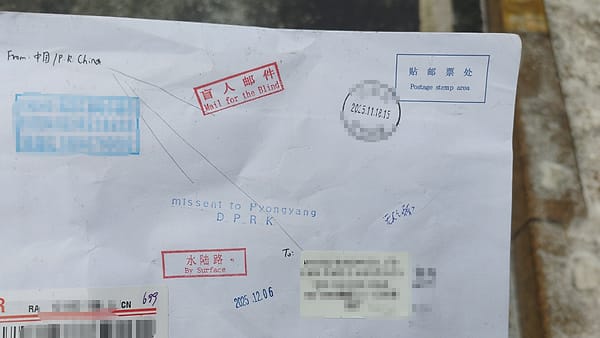
Returned mail proves that delivery did not occur and indicates why, and the reason is the useful part. Unknown at the address, refused, unclaimed, vacant and insufficient address each point at different conclusions about whether the record is stale, whether the recipient is avoiding contact, and what the sender should do next.

Notice Received by Somebody Else
Service on a person other than the named recipient can be effective where that person is of suitable age and discretion at the address, or is authorized to accept documents. It is ineffective where they have neither status. The practical risk sits between those categories, in the receptionists, relatives and neighbors who take documents helpfully and forward them slowly or not at all.