Notice Received by Somebody Else
Documents are handed to whoever answers the door, signs for the package or empties the mailroom that morning. Whether any of that amounts to service on the intended recipient depends on a question that almost nobody thinks to ask at the time.

The rule in short
Service on a person other than the named recipient can be effective where that person is of suitable age and discretion at the address, or is authorized to accept documents. It is ineffective where they have neither status. The practical risk sits between those categories, in the receptionists, relatives and neighbors who take documents helpfully and forward them slowly or not at all.
A great deal of service happens through intermediaries, most of them well intentioned and none of them thinking about deadlines. Whether it worked depends on who they were.
When delivery to another person counts
A person of suitable age and discretion. Many systems permit leaving a document at the recipient's home with an adult residing there, and treat that as service on the recipient.
An authorized agent. Somebody appointed to accept documents, whether by law, by contract or by an express designation, per notice to a representative rather than a party.
A registered agent of an entity. Companies commonly designate a person or office for service, and delivery there is effective regardless of who else exists.
A defined officer. Rules for serving entities frequently list categories of person, such as officers or managing agents, on whom service is good.
Somebody who accepts on instructions. Where the recipient has told the sender that a particular person may accept, that arrangement generally holds.
A person at a business address, sometimes. Where the rules permit service at a place of work, an appropriate person there may be able to accept.
Under an order for alternative service. Delivery to a named associate is a common permitted method where ordinary service has failed.
Where the recipient later ratifies it. Acting on a document received through somebody else can amount to acceptance of the service.
When it does not count
A child. Age thresholds exist precisely to prevent documents being left with somebody who cannot appreciate their significance.
A visitor or guest. Somebody present at the address without residing there generally lacks the status the rules require.
A neighbor. Helpfulness is not authority, and a neighbor taking in a package has no connection to the service rules at all.
A receptionist without authority. Building and office staff frequently sign for everything and are frequently not authorized to accept anything.
An employee at the wrong level. Where rules specify categories of person for entities, delivery to somebody outside those categories does not satisfy them.
A former household member. Somebody who has moved out is not a resident, whatever the mailbox still says.
Somebody who expressly declines. A person who says they cannot accept and does so clearly has not accepted, whatever was left behind.
A person at an address the recipient does not use. Status attaches to the address as well as the person, and both have to be right.
| Recipient of the document | Usually effective | Why |
|---|---|---|
| Adult residing at the home | Yes | Suitable age and discretion |
| Registered agent of an entity | Yes | Designated for the purpose |
| Office receptionist | Often not | No authority |
| Neighbor | No | No status |
| Child at the address | No | Age threshold |
The practical risk
Delay in passing it on. The document was served on time and reaches the recipient a week later, and the period ran throughout.
Documents that never arrive. Well-meaning intermediaries lose things, and the loss falls on the recipient rather than the sender.
Nobody records the date. Which matters where the recipient later needs to show when they actually learned of the matter.
Mailrooms with backlogs. Institutional post handling introduces days of delay that nobody in the process is aware of.
Shared households. Post in shared accommodation is redistributed informally and unreliably, particularly where residents change.
Family members who wait. Relatives frequently hold documents until they can hand them over in person, consuming the response period.
Confusion about similar names. Households with related people of similar names produce misdirection that nobody notices for weeks.
The recipient blames the intermediary. Which changes nothing about the timetable and rarely helps in any application, per when the adviser missed it.
The person who takes a document is usually the person who happened to be there. Whether that completes service depends on their status at that address, which is a question worth asking at the door rather than in an application.
Managing it as a recipient
Tell the household what matters. A short conversation about which documents need immediate attention prevents most of the delay.
Establish a single place for post. Documents that always go to the same tray are documents that get found.
Ask for the date to be noted. A pencil mark on an envelope showing when it arrived is occasionally decisive later.
Brief the mailroom. Where an organization receives service, somebody should know which items go straight to whom.
Nominate an address deliberately. Choosing where documents are delivered is better than accepting whatever address happens to be on record, per keeping an address current.
Check during absences. Somebody should be opening post during a holiday or a hospital stay, with instructions about what to escalate.
Review after any household change. New residents, departures and role changes all disturb an arrangement that previously worked.
Do not rely on being told. Periodic checking is more reliable than any assumption that somebody will pass something on.
Managing it as a sender
Record who took it. Name, role, relationship to the recipient and anything they said, because that is what a challenge will test.
Confirm status at the time. Asking whether the person resides there or is authorized takes seconds and answers the question later.
Prefer the recipient personally. Where personal service is possible, it removes the entire category of argument.
Serve entities correctly. Registered agents and designated offices exist for the purpose, and using them is simpler than arguing about a receptionist.
Follow up separately. A short message to the recipient confirming what was delivered and when is cheap insurance.
Watch for a challenge. Service through an intermediary is among the most frequently contested categories, per defective service and what cures it.
Do not rely on convenience. Somebody willing to sign is not necessarily somebody whose signature achieves anything.
Re-serve if the status is doubtful. Curing an uncertain service is far cheaper than defending it eighteen months later.
Service on somebody other than the named recipient can be effective where that person is an adult residing at the address, an authorized agent, or a designated officer of an entity.
It is ineffective where they are a child, a visitor, a neighbor, a former resident, or an employee outside the categories the rules specify for serving an entity.
The larger practical problem sits inside effective service: documents accepted properly and then passed on slowly, while the response period runs from the day of delivery.
Recipients manage that by establishing a single place for post, briefing households and mailrooms, arranging cover during absences and reviewing the arrangement whenever anything changes.
Senders manage it by recording who took the document and in what capacity, confirming status at the time, serving entities through their designated agents, and re-serving where status is doubtful.
Points to carry away
- Some systems allow delivery to a suitable adult at the address.
- Authority to accept is narrower than willingness.
- Entities require service on defined officers or agents.
- Delay in passing it on is the recipient's problem.
- Household and office arrangements need managing.
Questions readers ask
Is a document served if a family member accepted it?
Frequently yes. Many systems permit leaving a document at the recipient's home with an adult who resides there, and treat that as service on the recipient from that moment. The period then runs whether or not the document is handed over promptly, which is where the real damage occurs. A relative holding an envelope for a week until they can pass it over in person has consumed part of a response period nobody told them about.
Does a receptionist signing for a document complete service?
Often not. Building and office staff routinely sign for deliveries and routinely have no authority to accept legal documents for anybody. Where an entity is being served, rules generally specify categories of person such as registered agents, officers or managing agents, and delivery to somebody outside those categories does not satisfy them. That makes service through a designated agent simpler than relying on whoever was at the desk.
Who bears the loss when an intermediary never passes the document on?
The recipient, where the service itself was effective. Once a document has been properly served, the timetable runs regardless of what happens inside a household or a mailroom, and explanations about a relative who forgot or a post room with a backlog do not restart it. That is why arrangements about where post goes, who opens it and what gets escalated immediately are worth making before anything depends on them.
Sources
- Federal Rules of Civil Procedure — Rule 4(e)(2)(B), Leaving a Copy at the Dwellinglaw.cornell.edu
- Federal Rules of Civil Procedure — Rule 4(e)(2)(C), Delivering to an Authorized Agentlaw.cornell.edu
- Federal Rules of Civil Procedure — Rule 4(h), Serving a Corporation or Associationlaw.cornell.edu
- Legal Information Institute — Registered Agentlaw.cornell.edu
- Legal Information Institute — Service of Processlaw.cornell.edu
- Federal Rules of Civil Procedure — Rule 12(b)(5), Insufficient Service of Processlaw.cornell.edu
Urban Justice Docket is a publication, not a law firm. This article states general rules and cites its sources; it is not advice about any particular case, and the law differs by state and changes over time.
More in Receiving Notice

Refusing to Accept a Document
A recipient who declines to take a document is generally treated as having been served, provided the server identified them and brought the document to them. Refusal also produces a contemporaneous record describing exactly what happened, which is unhelpful later, and it removes any argument that the recipient did not know a matter existed.
Returned Mail, and What It Proves
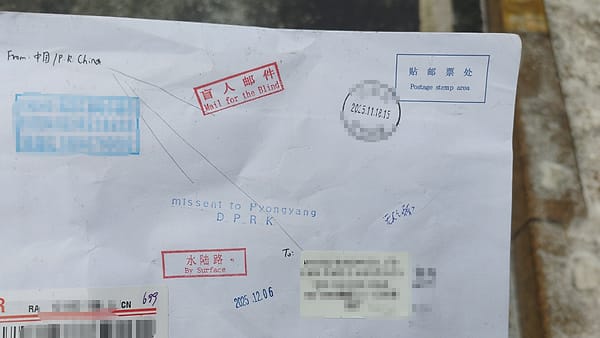
Returned mail proves that delivery did not occur and indicates why, and the reason is the useful part. Unknown at the address, refused, unclaimed, vacant and insufficient address each point at different conclusions about whether the record is stale, whether the recipient is avoiding contact, and what the sender should do next.
Notice to a Representative Rather Than a Party
Where a representative is on record, service on them is generally service on the party, and the party is bound by it. That arrangement works well until it breaks: a withdrawal never filed, a handover between advisers, a firm that closed, or a representative who never passed the document on. The record is what governs, and keeping it accurate is the whole of the protection.