Asking for a Copy of What Was Sent
Correspondence frequently refers to a decision, a notice or a request that the recipient has never seen. Obtaining a copy is straightforward, unglamorous and time-critical, because the period almost certainly started when the original was sent.
The rule in short
Where a document is referred to but was never received, copies can usually be obtained from the sender, from the file, from a portal or through a formal request. The important point is that the period has probably been running since the original was dispatched, so the request should be made the same day and should not be treated as suspending anything.
Discovering that something exists is not the same as receiving it, and the gap between those two events is usually consuming a response period nobody has calculated yet.
Where copies come from
The sender. The fastest route by a distance, and a short written request usually produces the document within a day or two.
The case file. Where a matter is before a forum, the file is frequently accessible and contains everything that was issued.
A portal or online account. Documents remain available indefinitely in most account-based systems, which makes retrieval immediate.
A representative. Advisers hold copies of what they received, and a request to a former representative is worth making early.
A formal records request. Slower and more structured, and sometimes the only route where informal requests are refused.
The other party. In proceedings, opponents hold copies of everything served and generally provide them without difficulty.
A third party who received it. Where a document went to somebody else, they may hold both the document and its envelope.
Archived correspondence. Occasionally the document arrived and was filed by somebody who never flagged it, which is worth checking before asking anybody.
A related party or insurer. Where several people were notified of the same matter, one of them frequently holds a complete copy and will provide it immediately on request.
How to ask
In writing, the same day. A written request creates a record of when the recipient acted, which supports any application that follows.
Identify the document precisely. By reference number, date and description, so that the request cannot be answered with the wrong item.
Ask for the dispatch record too. When it was sent, to what address and by what method, which is the material that decides any later argument.
Explain briefly why. Stating that the document was never received frames the request and creates a contemporaneous account.
Ask for it electronically. Speed matters, and a scanned copy by email arrives in hours rather than days.
Copy anybody relevant. Including a representative, so that everybody has the same information at the same time.
Set out what happens next. Confirming that a response will follow within the period, once the document is seen, is useful.
Follow up quickly. A day or two of silence justifies a chase rather than a wait, per who to ask when nobody answers.
| Source | Speed | Note |
|---|---|---|
| The sender | Fastest | Ask in writing |
| Portal or account | Immediate | Often already there |
| Case file | Days | Depends on access |
| Former representative | Days | Ask early |
| Formal records request | Weeks | Last resort |
What the request does not do
It does not stop time. The period runs from service of the original, and asking for a copy suspends nothing at all.
It does not prove non-receipt. A request is consistent with never having received the document and does not establish it.
It does not extend anything. Where an extension is needed, that has to be sought separately and promptly, per requesting an extension while the period runs.
It does not oblige an immediate response. Senders answer requests at their own pace, and waiting is not a plan.
It does not cure a defective service. Whether the original service was valid is a separate question entirely.
It does not replace acting. Where enough is known to take a step, taking it is better than waiting for the document.
It does not preserve a challenge. Objections to service or to a decision have their own periods, running independently.
It is still worth making. Because everything above assumes the document eventually arrives, and it usually does.
A copy obtained on day twenty of a thirty-day period leaves ten days, not thirty. The request should be made the same day the document is discovered, and everything else should proceed on the assumption that time is already running.
Acting before the copy arrives
Establish the deadline from what is known. The correspondence referring to the document usually indicates its date, which allows a calculation.
File a protective step if necessary. A holding response or a protective application preserves the position while the copy is awaited.
Seek an extension in parallel. Not instead of the copy request, and with an explanation of the situation.
Tell the other side. Where proceedings are on foot, informing them prevents an accusation of silence later.
Prepare on the assumption. Working on the likely content is better than waiting, and most of the preparation transfers.
Record every step. The account of what was done between discovery and receipt is what supports any later application.
Do not assume the worst. The document may be less significant than the reference suggested, and the calculation may be comfortable.
Do not assume the best either. Short periods are common, and the safe assumption is that time is already running.
Preventing the situation
Monitor every channel. Post, email, portal and representative, each with somebody responsible for it.
Keep records current. Which removes the commonest cause of documents going somewhere unhelpful.
Log what arrives. A simple record of incoming documents makes an absence visible and provable, per proving that notice was given.
Check the file periodically. Where a matter is before a forum, reviewing the record catches items that never arrived.
Ask about anything referenced. A passing mention of a document is worth a same-day query rather than an assumption.
Confirm receipt of important items. Acknowledging what arrives makes gaps easier to identify from both sides.
Keep former representatives informed. So that anything reaching them after a handover is forwarded rather than filed.
Review after any disruption. A move, a change of adviser or a system migration each deserves its own check for missed documents.
Keep a copy of everything sent out too. Half of these situations are resolved by finding the outgoing letter that referred to the document, which usually dates it precisely.
A document referred to but never received can usually be obtained quickly, most often from the sender, from a portal, from a case file or from a former representative.
The request should be in writing, made the same day, identifying the document precisely and asking for the dispatch record alongside it.
What the request does not do is stop the period running, prove non-receipt, extend anything or cure a defect, all of which need addressing separately and at the same time.
While waiting, the deadline should be estimated from what is known, a protective step taken where necessary, an extension sought in parallel and every action recorded.
The situation is prevented by monitoring each channel, logging what arrives, keeping records current, and treating any passing reference to an unseen document as a same-day query.
Points to carry away
- The period usually runs from the original, not the copy.
- Ask the sender first, in writing, the same day.
- Request the dispatch record as well as the document.
- Portals and files frequently hold copies already.
- A formal records request is slower and sometimes necessary.
Questions readers ask
Does asking for a copy of a missing document extend the deadline?
No. The period runs from service of the original, and a request for a copy suspends nothing. That is the single most important point about this situation: a document discovered on day twenty of a thirty-day period leaves ten days regardless of when the copy arrives. Any extension has to be sought separately and promptly, and a protective step may be worth taking while the copy is awaited rather than after it.
Who should be asked first?
The sender, in writing, on the day the document is discovered. It is the fastest route, it creates a contemporaneous record of the recipient having acted, and it usually produces a scanned copy within a day or two. The request should identify the document precisely and should also ask for the dispatch record — when it was sent, to what address, by what method — because that material is what decides any later argument about service.
What if the sender does not respond?
Chase within a day or two rather than waiting, and pursue the other routes in parallel: a portal or online account frequently holds the document already, a case file may be accessible, and a former representative will hold copies of anything they received. A formal records request is slower and sometimes necessary. Throughout, the deadline should be estimated from what is known and acted on rather than treated as suspended.
Sources
- Federal Rules of Civil Procedure — Rule 5(d), Filinglaw.cornell.edu
- Federal Rules of Civil Procedure — Rule 77(d), Notice of an Order or Judgmentlaw.cornell.edu
- United States Courts — Court Records and PACERuscourts.gov
- Freedom of Information Act — 5 U.S.C. 552law.cornell.edu
- Federal Rules of Civil Procedure — Rule 6(b), Extending Timelaw.cornell.edu
- Legal Information Institute — Service of Processlaw.cornell.edu
Urban Justice Docket is a publication, not a law firm. This article states general rules and cites its sources; it is not advice about any particular case, and the law differs by state and changes over time.
More in Receiving Notice

Refusing to Accept a Document
A recipient who declines to take a document is generally treated as having been served, provided the server identified them and brought the document to them. Refusal also produces a contemporaneous record describing exactly what happened, which is unhelpful later, and it removes any argument that the recipient did not know a matter existed.
Returned Mail, and What It Proves
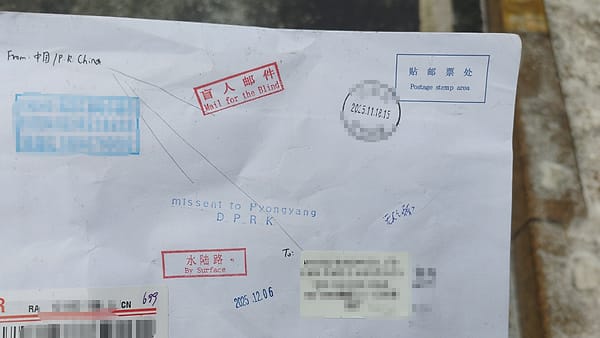
Returned mail proves that delivery did not occur and indicates why, and the reason is the useful part. Unknown at the address, refused, unclaimed, vacant and insufficient address each point at different conclusions about whether the record is stale, whether the recipient is avoiding contact, and what the sender should do next.
Notice to a Representative Rather Than a Party
Where a representative is on record, service on them is generally service on the party, and the party is bound by it. That arrangement works well until it breaks: a withdrawal never filed, a handover between advisers, a firm that closed, or a representative who never passed the document on. The record is what governs, and keeping it accurate is the whole of the protection.