The Notice Nobody Ever Saw
Somebody learns from an enforcement letter, a credit record or a phone call that a decision was made about them months ago. The route back exists, it is narrow, and almost all of it depends on what happens in the following week.

The rule in short
Where a party genuinely never received notice and a decision followed, most systems provide a route to have it reopened or set aside. Success depends on establishing non-receipt with evidence rather than assertion, on moving immediately once the matter is discovered, and on showing that the outcome would plausibly have been different had the party participated.
A decision made without the party's participation is not necessarily final, but the route back is narrow and it closes quickly. The first week after discovery determines most of it.
How it happens
A stale address. The commonest cause by a distance, and one that usually leaves the risk with the person who moved.
A representative who stopped acting. Documents delivered to a firm that closed the file, with nothing reaching the party.
A portal nobody opened. Where notification is account-based and no person was assigned to look, per notices that arrive only in a portal.
Filtered electronic notification. Messages classified as bulk by a system nobody reviews.
An intermediary who never passed it on. A relative, a colleague or a mailroom holding something nobody chased.
Service by publication. Where a party was genuinely untraceable, the notice was never going to reach them.
A genuine delivery failure. Items lost in transit are rare and do happen, and the evidence for them is thin.
Deliberate avoidance. Which produces exactly the same factual outcome and an entirely different reception when it is explained.
A change of name or status. Documents addressed to a former name reach an address and are set aside by whoever finds them, which is a quiet and surprisingly common cause.
The first week after discovery
Establish what was decided. Obtain the decision, the file and the record of service, so that the position is understood before anything is said.
Record the date of discovery. Precisely, and with whatever corroborates it, because every subsequent argument runs from that date.
Preserve the evidence about non-receipt. Mail records, server logs, filter configurations and address histories, before they are overwritten.
Check what deadline now applies. Applications to set aside are usually time-limited from knowledge rather than from the decision.
Take advice immediately. The available routes differ, and choosing the wrong one consumes the time the right one needed.
Do not contact the other side casually. Anything said before the position is understood tends to be quoted back.
Correct the underlying record. Whatever caused the failure should be fixed at once, because it is the first thing anybody asks about.
Prepare the substantive case. Because the application will require it, per undoing a default already entered.
| Factor | Helps | Hurts |
|---|---|---|
| Time since discovery | Days | Weeks |
| Non-receipt evidence | Independent records | Assertion only |
| Address record | Kept current | Never updated |
| Merits | Real prospect | Same outcome likely |
| Age of decision | Recent | Long-standing |
What the application needs
An account of what happened. Factual, dated and complete, explaining how the party came to know nothing until the moment of discovery.
Evidence rather than assertion. Records about systems, addresses and handling, since a denial alone rarely displaces a presumption, per rebutting the presumption of receipt.
An explanation of promptness. What was done in the days after discovery, which is the factor most within the applicant's control.
A plausible case on the merits. Most systems require some prospect that the outcome would have differed, rather than reopening as a formality.
An address for the future. Confirmation that the record is now correct removes an obvious objection.
A proposal about the timetable. What the applicant will do, and by when, if the matter is reopened.
An answer on prejudice. What the other side has lost by the delay, and how any of it can be addressed.
Candor about any contribution. Where the applicant's own conduct played a part, acknowledging it is better than leaving it to be found.
Almost every route back is measured from when the party learned of the decision rather than from when it was made. That makes the date of discovery the most important fact in the file, and the days afterwards the most important period.
What decides it
Speed after discovery. Weeks of further delay undermine an otherwise strong application more reliably than anything else.
The strength of the non-receipt evidence. Independent records outperform recollection by a very large margin.
Whether the party contributed. A stale address that was never updated substantially weakens the position.
How long ago the decision was made. Very old decisions attract more finality, and third parties may have relied on them.
Prejudice to the other side. Evidence lost, arrangements made and money spent all count against reopening.
The merits. A reopened matter that would reach the same outcome is rarely worth reopening at all.
Whether anything was enforced. Steps already taken create complications that the application has to address.
Consistency of the account. An explanation that shifts between letters undermines everything else in the application.
If reopening is refused
Understand the reason. Refusals usually indicate whether the problem was the evidence, the delay or the merits.
Check whether an appeal exists. Refusals are sometimes challengeable, on short periods.
Consider an alternative route. Reconsideration, a fresh application or a different remedy may remain, per reopening instead of appealing.
Deal with the consequences. Enforcement, records and reporting obligations continue and need managing separately.
Fix the underlying failure. Whatever caused the notice to be missed will otherwise cause it again.
Consider whether anybody is answerable. Where a representative or a third party caused it, that is a separate question.
Take the practical view. Sometimes the realistic answer is to comply and move on rather than to keep litigating the process.
Record the sequence. A clear file describing what happened is useful if the matter resurfaces some years later.
Watch for related deadlines. A decision made in absence frequently starts other periods as well, and those continue running while any application to reopen is pending.
Where a party genuinely never received notice and a decision followed, a route back usually exists, and it is narrow and time-limited from the date of discovery.
The causes are consistent: a stale address, a representative who stopped acting, an unmonitored portal, filtered notification, or an intermediary who never passed anything on.
The first week decides most of it. Obtain the decision and the service record, fix the address, preserve the technical evidence, and take advice before saying anything to anybody.
The application requires a dated factual account, independent evidence of non-receipt, an explanation of promptness, and a plausible case that the outcome would have been different.
Decisions made in absence are a familiar feature of removal proceedings, and the route back has its own requirements and its own short periods. what defensive asylum involves explains {{ANCHOR}} and what an application of that kind involves.
If reopening is refused, the reason usually indicates whether the problem was evidence, delay or merits, and the underlying failure still needs fixing before the next document arrives.
Points to carry away
- A route back usually exists, and it is time-limited.
- Non-receipt must be evidenced, not asserted.
- Promptness after discovery is the dominant factor.
- A plausible merits case is generally required.
- Fixing the underlying record comes first.
Questions readers ask
How long is there to act after discovering a decision made in absence?
Usually a short period measured from the date of knowledge rather than from the date of the decision, and it varies considerably between systems and subject areas. Because the period runs from discovery, that date becomes the most important fact in the file, and it should be recorded precisely along with whatever corroborates it. Delay after discovery is the single factor that most reliably defeats an otherwise strong application.
Is it enough to show that the notice never arrived?
Rarely on its own. Most systems also require the applicant to show that they acted promptly once they learned of the matter, and that there is some real prospect the outcome would have been different had they participated. Reopening a decision that would be reached again anyway serves nobody, and applications that address the notice failure in detail while saying nothing about the merits are frequently refused for that reason.
What if the party's own address record was out of date?
It weakens the position substantially, because the obligation to keep the record current sits with them and the failure to do so caused the problem. It does not necessarily end the application: the length of the delay, whether the address was updated elsewhere, whether items were returned to the sender and what the sender knew all remain relevant. Correcting the record immediately, and saying so, is essential either way.
Sources
- Federal Rules of Civil Procedure — Rule 60(b), Relief from a Judgment or Orderlaw.cornell.edu
- Federal Rules of Civil Procedure — Rule 60(c), Timing of a Motionlaw.cornell.edu
- Federal Rules of Civil Procedure — Rule 55(c), Setting Aside a Defaultlaw.cornell.edu
- Legal Information Institute — Due Processlaw.cornell.edu
- Federal Rules of Civil Procedure — Rule 77(d), Notice of an Order or Judgmentlaw.cornell.edu
- Legal Information Institute — Default Judgmentlaw.cornell.edu
Urban Justice Docket is a publication, not a law firm. This article states general rules and cites its sources; it is not advice about any particular case, and the law differs by state and changes over time.
More in Receiving Notice

Refusing to Accept a Document
A recipient who declines to take a document is generally treated as having been served, provided the server identified them and brought the document to them. Refusal also produces a contemporaneous record describing exactly what happened, which is unhelpful later, and it removes any argument that the recipient did not know a matter existed.
Returned Mail, and What It Proves
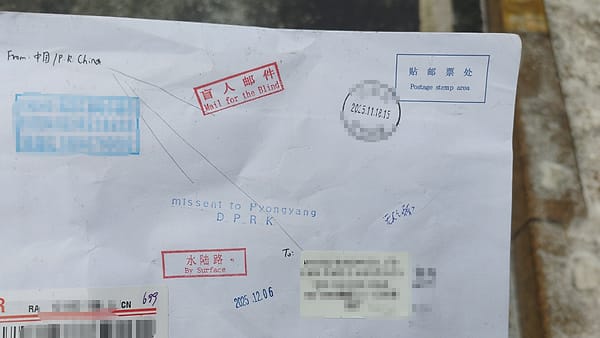
Returned mail proves that delivery did not occur and indicates why, and the reason is the useful part. Unknown at the address, refused, unclaimed, vacant and insufficient address each point at different conclusions about whether the record is stale, whether the recipient is avoiding contact, and what the sender should do next.
Notice to a Representative Rather Than a Party
Where a representative is on record, service on them is generally service on the party, and the party is bound by it. That arrangement works well until it breaks: a withdrawal never filed, a handover between advisers, a firm that closed, or a representative who never passed the document on. The record is what governs, and keeping it accurate is the whole of the protection.